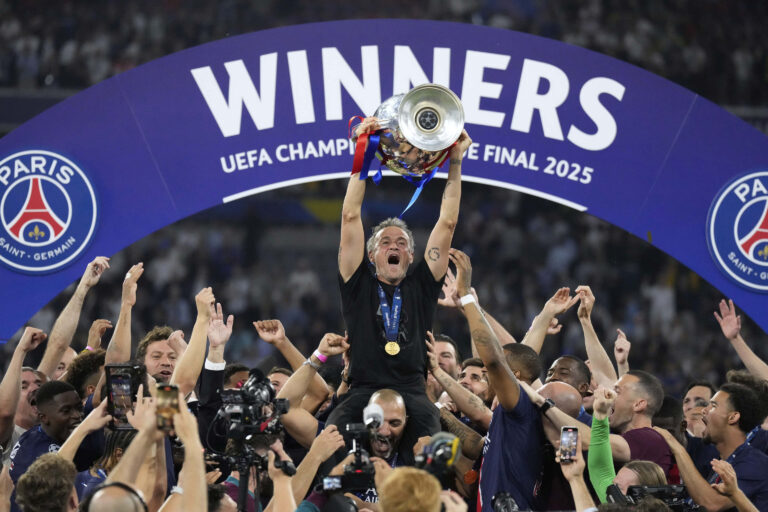


From a €4M salary at Liverpool to €14M at Bayern. An analysis of how a leader's scarcity mindset can destroy performance and hand your best asset to the competition.
The sports world is watching two opposite stories unfold this fall. On one side, Bayern Munich, powered by a Luis Díaz who is playing better than ever. On the other, a Liverpool team that, despite new signings, seems to have lost its spark.
The lesson for any business leader is monumental.
For three and a half years, Díaz was Liverpool’s engine, an exceptional player on a €4 million salary. His stats were excellent. But Liverpool’s management made a classic “scarcity mindset” mistake: they viewed Díaz as a cost to be managed, not as an asset to be invested in.
They believed their “system” was the star and that any player was replaceable. They failed to value their collaborator.
Meanwhile, Bayern Munich, operating from an “abundance mindset” (similar to our analysis of the Dodgers), saw the truth: a world-class, undervalued asset.
They didn’t hesitate. They offered him €14 million, not just because “that’s the price,” but because they understood that salary is an investment in performance. They recognized his value.
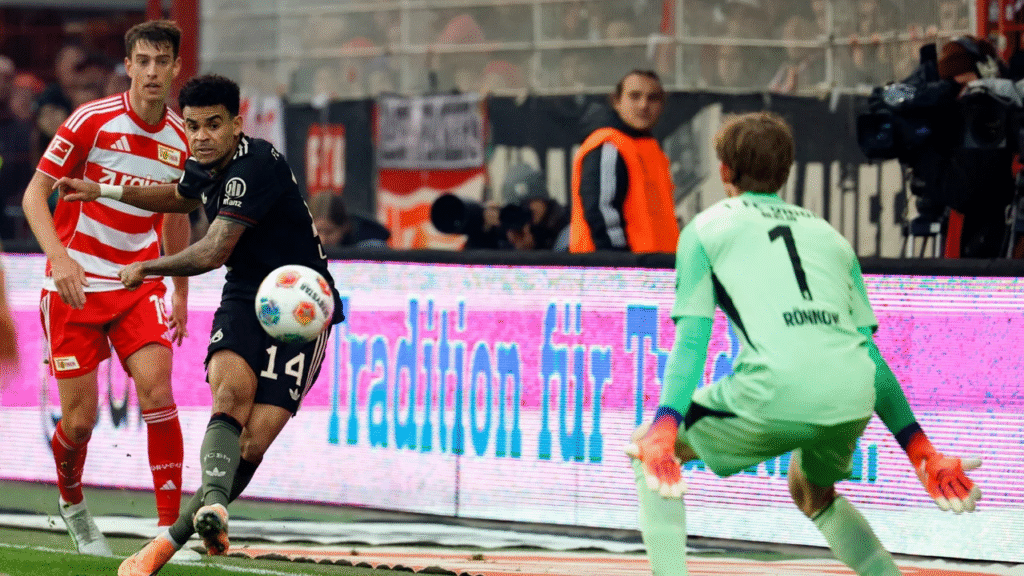
The results are a business masterclass:
- Liverpool “saved” money on a salary… but now their performance has dropped. That “saving” cost them points, morale, and results—a far higher price than what they would have paid to keep him.
- Luis Díaz is posting better stats at Bayern than he did at Liverpool. Why? Because talent that feels valued is unleashed. He plays without the friction of doubt, backed by the confidence of an organization that went all-in on him.
The most expensive lesson a leader can learn is this: Undervaluing your best talent doesn’t save you money; it just finances your competitor’s success.