
PSG won back-to-back Champions League titles built around a player Barcelona considered inconsistent. A lesson on what good system design reveals.
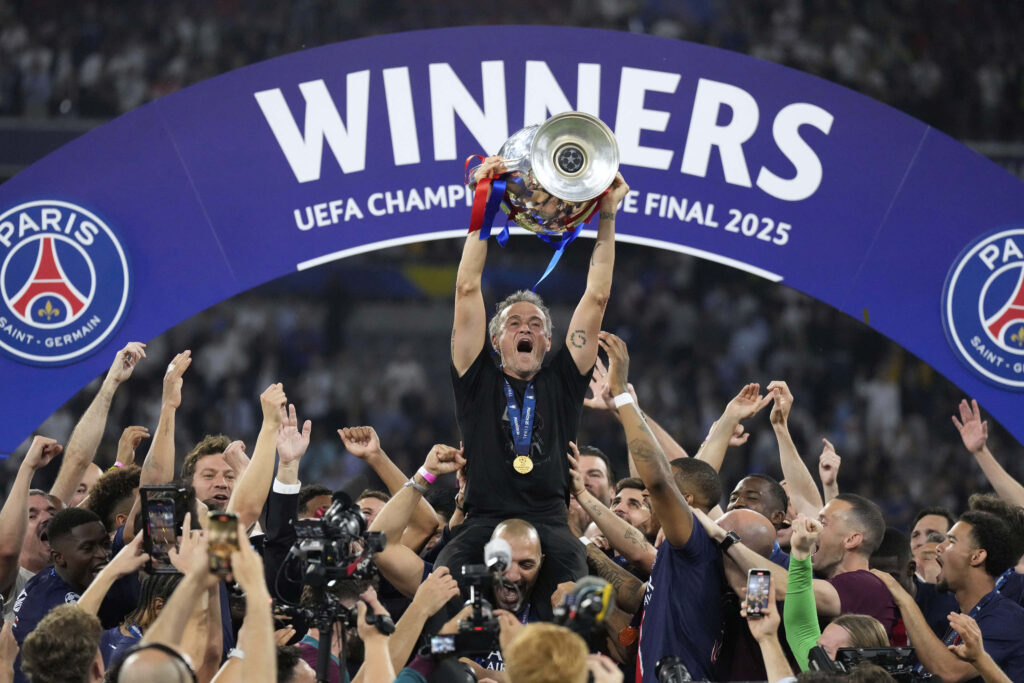
This year, PSG retained the Champions League title, built largely around Ousmane Dembélé — a player Barcelona once viewed as too inconsistent to rely on, now the team’s Ballon d’Or winner. For business analysts, it’s a case study in what a well-designed system can extract from talent another organization misjudged.
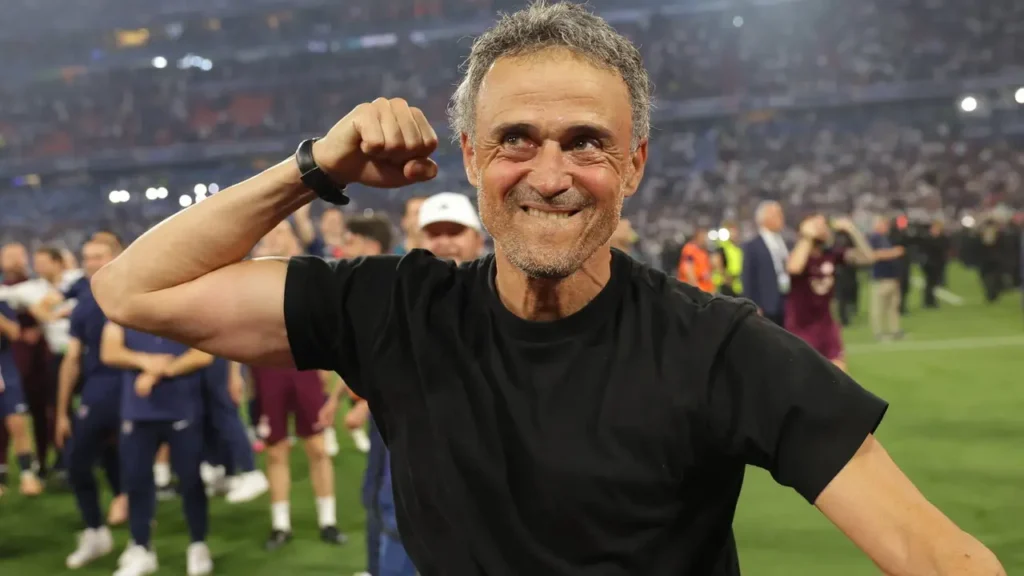
The instinct when building a winning team is to buy proven stars. Luis Enrique did something different.
What does it take to build sustained success around overlooked talent?
- The Undervaluation Pattern: Dembélé’s previous club saw inconsistency and limited reliability. The player didn’t change. The system around him did.
- The System Redesign: Luis Enrique built PSG’s title-winning structure around trust in players whose futures elsewhere were uncertain — prioritizing collective structure over star-dependency, and turning “unreliable” talent into the core of back-to-back European titles.
The business lesson is direct:
The gap between underperforming talent and elite talent is often the system around it, not the talent itself. The right diagnostic reveals value the previous structure couldn’t access.
Some of your best assets are already on the team — they just need a different system.